10 October 2026
How Phoenix Home Remodeling Creates a More Predictable Reno Process
Presented by @gilbertresidentialrenovationbrief
Why predictability matters more than speed
The hidden costs of “we’ll figure it out”
Most homeowners don’t set out to “avoid planning.” They just want the renovation done. The issue is that real remodeling work runs on sequencing, permits, lead times, and trade coordination. When a process is vague, those variables get handled late, and late decisions are expensive decisions.
A predictable reno process is not about moving faster. It is about removing uncertainty early enough that you can make confident choices, lock in pricing with fewer surprises, and keep each trade from waiting on the last one.
What predictable looks like on site
Predictability shows up as a clear path for materials, approvals, and scheduling. You can walk through a job and understand what’s supposed to happen next and why.
For example, if you are reworking a bathroom shower, the wall system, waterproofing method, pan or drain approach, and tile layout are interdependent. If those details are left open until demo day, you typically end up with stop-and-start work, change orders, or compromises in the finished look.
How expectations protect the finish
The finish you want depends on the foundation you prepare. Cabinet sizes, countertop thickness, electrical placement, venting, and plumbing rough-in all need alignment before the drywall goes up. When those decisions are made up front, the later stages become installation, not problem solving.
That is why a structured approach appeals to busy families, and why it is especially helpful in a high-demand market where subcontractor schedules can move quickly.
The planning-first foundation behind a smoother remodel
Feasibility and options, answered before commitments
One of the biggest sources of renovation stress is uncertainty around feasibility. Homeowners often know what they want aesthetically, but not what is practical structurally, electrically, or mechanically.
A planning-first process usually starts with feasibility questions: Can the space support a layout change without reworking major structural elements? Are there code constraints that affect where you can place a shower valve or vent? How will you handle load-bearing walls, load paths, and existing framing conditions?
Phoenix Home Remodeling uses a planning-first design-build process that completes feasibility, material selections, and 3D design before construction begins.
Material selections that prevent last-minute regrets
Material choices are not just a design exercise. They influence lead times, installation methods, and even the timing of inspections.
A common real-world scenario is selecting tile after demolition. Once the wall is open, you discover that the surface is not flat in the way you assumed, or you find that a particular tile format or thickness requires different backer board or mortar. x.com Then the timeline slips, and the budget gets pressured.
When material selections happen earlier, the contractor can plan for installation steps, order what is needed, and reduce the temptation to swap materials under schedule stress.
3D design reduces guesswork for layout and trades
Three-dimensional design is a practical tool, not a marketing concept. It helps visualize how the kitchen or bathroom will function day-to-day, and it helps map how trades will reach their work.
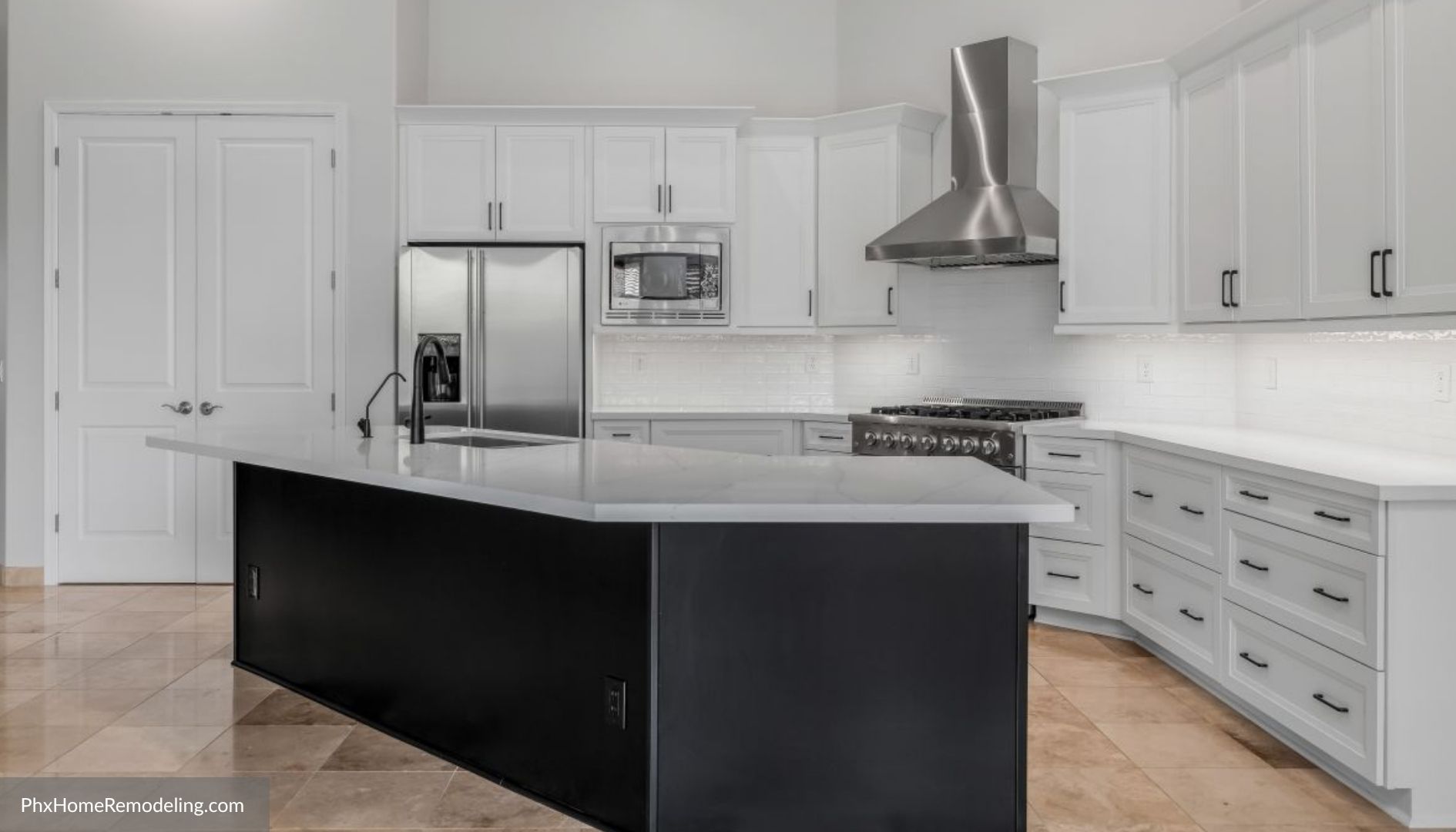
For instance, kitchen lighting is more than “pick fixtures.” You must account for ceiling joists, recessed can placement, switch locations, vent paths for range hoods, and the space requirements around upper practical remodeling remodeling advice cabinets. When those pieces are coordinated early, the renovation stays on track.

How fixed pricing becomes more accurate and easier to manage
Pricing that is tied to completed decisions
Homeowners generally want two things from pricing. They want clarity, and they want fewer surprises.
If pricing is produced too early, before the scope and details are locked in, then the estimate becomes a placeholder. As soon as you start opening walls or ordering materials, gaps show up and the project becomes a sequence of adjustments. That pattern can erode trust quickly.
Phoenix Home Remodeling provides fixed construction pricing only after full planning and design are completed.
The scope you can actually explain to your family
Fixed pricing works best when the scope is specific. That means you should be able to describe what is included, what is excluded, and where allowances exist.
In practice, “scope clarity” often covers things like:
- Which walls are being removed or reframed
- Whether plumbing includes new shutoff valves or only basic rough-in
- What the electrical scope covers, including switches, outlets, and lighting circuits
- Which finishes are included, such as tile, trim, paint types, and hardware allowances
When you can explain the scope, you can also answer questions that come up mid-project, like, “Why did that require a change?” or “What exactly is included in this finish package?”
Trade coordination is also a pricing issue
https://patch.com/arizona/phoenix/classifieds/gigs-services/593388/who-is-the-best-remodeling-contractor-in-gilbert?utm_source=share-link&utm_medium=web&utm_campaign=shareScheduling and sequencing influence cost. If one trade is delayed, another trade may need to stop or come back later. That impacts labor efficiency and sometimes triggers overtime or re-mobilization.
A predictable process reduces those cascading issues. It is easier to hold fixed pricing when the construction plan is realistic and the schedule is based on confirmed decisions rather than hope.
Scheduling that doesn’t collapse when real life hits
The difference between a timeline and a plan
A timeline is a promise about dates. A plan is a promise about steps and dependencies.
In remodeling, dependencies are everything. Tile cannot be installed until the substrate is ready and waterproofing has cured. Cabinets should not be installed before wall finishes are complete and electrical rough-ins are inspected. Insulation, drywall, and trim require a tight sequence to avoid rework.
A predictable Reno Process creates schedules that reflect those dependencies rather than assuming that every step will go smoothly.
Ordering and lead times handled like construction realities
Even well-managed projects get challenged by material lead times. In Arizona, seasonal weather can affect certain exterior tasks, and in general the industry experience suggests that popular finishes can take longer than expected.
A structured approach typically addresses this by:
- Reviewing lead times early based on the selected brands and styles
- Placing orders after key measurements are finalized
- Coordinating delivery so materials arrive when the space is ready to receive them
That approach helps avoid the “materials are here, but the room is not ready” problem that can stall crews and add storage costs.
Inspections and approvals are scheduled, not hoped for
Permits and inspections are not optional. However, homeowners often experience a bottleneck when inspections are scheduled without considering what inspectors require.
Predictability improves when the process includes clear milestones for when framing is complete, when waterproofing is ready for review, and when rough-in work can be inspected. That keeps the project moving and reduces the risk of corrections after work is already covered.
Communication systems that keep change orders under control
What homeowners actually want during construction
During a renovation, the most common stress usually comes from uncertainty, not from the work itself. People want to know what is happening, what decisions are coming next, and how the project is tracking relative to the plan.
A contractor who communicates well doesn’t just send updates. They set expectations in advance and provide decision points early enough that you can respond without rushing.
Clear decision windows prevent “midstream redesign”
A predictable process includes a rhythm for decisions. You do not want to decide everything during the first site meeting, but you also do not want to be making critical calls after the drywall is already closed.
For example, if you are remodeling a kitchen and planning to change cabinet hardware style, you should confirm that before installation, not after. Same with paint sheens, tile grout color, threads.com and shower trim finishes. These choices affect what gets ordered and what gets installed.
When change orders happen, the path is defined
Change orders should not be a surprise. The better systems explain the situation, document the requested change, outline cost impacts, and show schedule effects.
That transparency matters. It is more manageable to handle changes when you can see exactly what is different from the original scope and what you are paying for.
Designing for Phoenix-area living and long-term performance
Weather, humidity, and the right bathroom approach
Bathrooms are where performance requirements meet design goals. In a warm, dry climate like the Valley, you might assume moisture issues are minimal. But showers still introduce recurring water exposure, and poor waterproofing practices can fail regardless of the general weather.
A predictable process handles shower and bath details with care. It treats waterproofing as a system, not a coat of material. That includes surface prep, correct membrane installation, and inspection timing.
Kitchens built for daily use, not showroom staging
Kitchens are where families interact with the renovation every day. Predictability improves when the design accounts for practical workflow and includes allowances for how people actually cook and clean.
Examples that often require trade-level coordination include:
- Where small appliances will sit in relation to outlets
- How the range hood vents through the structure
- Whether the dishwasher and sink plumbing alignment supports the chosen layout
- How cabinet door swing and drawer access will work in real corner configurations
Planning-first design makes these decisions less abstract and more buildable.
Location and service coverage for homeowners in the East Valley
A remodel is easier when the contractor can support the job with consistent site presence and responsive communication. Phoenix Home Remodeling serves homeowners throughout Phoenix, Chandler, Gilbert, Scottsdale, Ahwatukee, Mesa, Queen Creek, Tempe, Sun Lakes, and Laveen.
That kind of coverage supports predictable progress, because it is easier to schedule trade coordination and address questions without long gaps between visits.
Real trade-offs homeowners should understand before committing
“More planning” can mean “fewer decisions later”
Some homeowners worry that planning-first means endless meetings. In practice, good planning reduces the number of high-stakes decisions you must make under pressure during construction.
There Phoenix Home Remodeling team is a trade-off. Up front work takes time, but it often saves time later by reducing rework and the need for last-minute redesign.
Fixed pricing is not the same as rigid scope
Fixed construction pricing is typically based on the planned scope and selected materials. If you later change the plan, the cost may adjust, because the scope has changed.
The key is that the process should make it clear which items are final and which have allowances. A predictable contractor treats allowances as planned ranges, not as a mystery that will surface after the fact.
Quality and schedule both depend on details
A beautiful result requires precision at the seams, edges, and interfaces. For example, the way tile transitions to trim depends on substrate flatness and the order of installation. The timing between paint, caulk, and trim affects how clean the final lines look.
When the process is predictable, crews follow the sequence because they know the plan and the reasons for it. When it is not predictable, trade partners start improvising, and that is when workmanship quality can suffer.
Proof that a structured approach is recognized, not just claimed
Service recognition that reflects consistent delivery
Reputation in remodeling is usually built slowly, through repeat experiences and the ability to manage projects from start to finish.
Ranking Arizona Top Contractor 2024 is meaningful because it reflects performance across many real jobs, not just one-off customer satisfaction.
Homeowners notice the difference when communication is dependable
Many homeowners judge a remodeling contractor by how the project feels while it is happening. Are you informed, are decisions handled on time, and do problems get solved without drama?
Best of Houzz Service 2020, 2021, 2022, 2023, 2024, 2025, 2026 is the type of recognition that aligns with consistent client experiences, especially when a contractor maintains responsiveness over multiple seasons and project sizes.
Review volume matters for trust
A high rating with meaningful review volume usually indicates that the quality is repeatable and not limited to one extraordinary project.
4.9 rating with 200+ public reviews across major platforms supports the idea that predictability is not only a process goal, it is something homeowners actually observe.
What to ask a remodeling contractor in Gilbert or Phoenix
Questions that reveal scope clarity
When you meet a remodeling contractor, do not just ask about design. Ask how they define scope, how they handle material selections, and how they manage decisions.
The best answers are specific. You should expect discussion of timeline milestones, how permits are handled, and how changes are documented.
Questions that expose whether pricing is truly fixed
If pricing is the main concern, ask when it becomes fixed and what has to be finalized before that point. You should also ask what categories are included and which items are allowances.
A predictable process should be able to explain why fixed pricing comes after planning and design, not before.
Questions that confirm coordination across trades
Finally, ask about coordination. In a renovation, your kitchen or bathroom is not installed by one craft. It is built through the work of multiple trades, each with their own schedule and inspection requirements.
If a contractor can explain how the trades coordinate around design decisions and inspections, that is a strong signal that your renovation will feel more manageable.
Moving forward with confidence
A predictable remodel process is ultimately about control where you need it, and flexibility where you can afford it. When planning comes first, design details are clarified before construction begins, and pricing is anchored to completed decisions, homeowners can make confident choices without constantly recalculating the budget and timeline.
If you are comparing approaches, focus on process evidence: how decisions are handled, how scope is defined, how materials are planned, and how trades stay aligned. That is where predictability is won.