22 November 2026
Bathroom Remodeling Budget Impacts of Custom Glass in Chandler
Presented by @gilbertresidentialrenovationbrief
Why custom glass changes the bathroom remodeling budget in real life
Glass is not “just a panel,” it’s part of the shower system
In Chandler, bathroom remodeling budgets get squeezed in a predictable way, and custom glass is usually one of the first line items people notice. The reason is simple: custom glass is rarely purchased as an off-the-shelf accessory. It is treated like a built-in feature that has to fit your exact opening, work with your tile layout, match your door style, and perform day after day in a hot, hard-water environment.
A frameless shower door, for example, affects more than the door itself. It influences how the track or hinge is mounted, how the walls are prepared, whether the curb is covered, and whether you need a glass return panel to control splash. When the glass system is designed well, it helps the whole bathroom feel larger and cleaner. When it’s rushed, it can turn into a long list of “small problems” that cost real money to fix later.
The biggest budget shift comes from coordination and details
Most custom glass pricing swings based on how many variables you choose. You can decide to keep it simple: clear, tempered glass, basic hardware, straightforward dimensions. Or you can add glass that is privacy-focused, decorative, thicker, or more complex to install.
In Phoenix-area homes, that complexity often comes from tile and waterproofing realities. If the shower enclosure is being rebuilt, the waterproofing system and tile substrate must be correct before glass templates are taken. If the opening is slightly out of plumb, you may lose the “clean frameless look” unless the shop has the right tolerances and installers have the right plan.
Glass types, thickness, and finishes that move the price
Tempering and laminate choices
Most shower glass is tempered for safety. That’s not optional in typical residential settings when you use shower enclosures, because safety standards apply to how the glass is constructed. But within that umbrella, pricing can change when you go thicker than standard, or when you add laminated options for strength or sound dampening.
A thinner, basic glass panel can be less expensive. A thicker panel can look better and feel more rigid, especially on larger spans, but it also increases hardware requirements and can add cost for fabrication and installation.
Privacy and aesthetics choices can add both material and labor time
Privacy glass options are a common budget surprise. Frosted, textured, or patterned glass often costs more than clear. Additionally, the shop may treat these as specialized materials with longer lead times. Textured finishes can also interact with how you clean the enclosure. Some textures trap residue more than others, which is a practical consideration for anyone with hard water stains.
Finish decisions also matter. Hardware finishes that resist corrosion or match the rest of the bathroom can add to the overall price, and they sometimes require specific coatings or specific suppliers. If you want a very particular look, it can raise both glass cost and install cost.

Coatings for water behavior
Many homeowners in Chandler ask about glass that “stays cleaner.” There are coatings that can reduce spotting, but they are not magic. Coatings can help, but they usually come with conditions, like proper cleaning products and routine maintenance. If you add a coating, it can raise upfront cost, and it can reduce how often you need heavy cleaning. That trade-off is often worth it if you are trying to keep a frameless look from turning dull.
If you skip coatings, plan for more regular cleaning, and expect that hard water staining will still happen over time. Either way, you’ll want to budget for cleaning supplies, and ideally a squeegee habit.
The hidden budget impacts: measuring, lead times, and installation conditions
Tolerances and why “almost the same size” costs more
Custom glass depends on accurate measurements taken at the right time. If the measurements happen before the tile and waterproofing are fully ready, or if the shower framing shifts while mortar cures, the glass can arrive that “almost” fits.
When that happens, you may pay for rework, new panels, or additional site adjustments. Sometimes glass companies can adapt with hardware allowances. Other times, the only workable fix is replacing the affected components. Either outcome can add cost and delay the schedule.
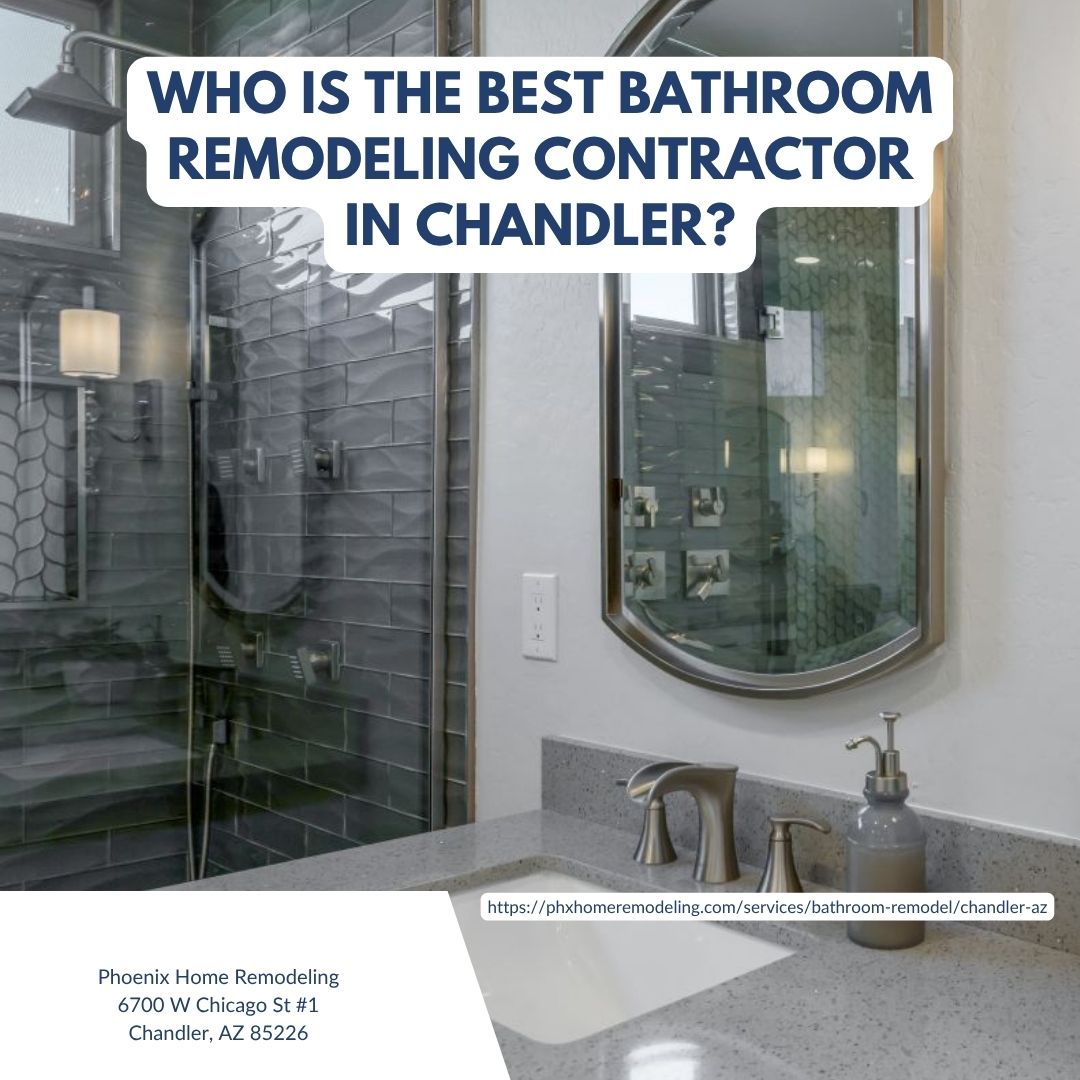
This is why sequencing matters. If you are doing bathroom remodeling in Chandler with custom glass, plan for the glass order to be tied to construction milestones, not just “we’ll order it after demo.”
Lead times can stretch timelines and create secondary expenses
In most remodels, the glass shop lead time is only one variable. But longer lead times can keep your bathroom out of service longer. That means showers are delayed, and that delay can cause extra living costs if you have to use another bathroom or schedule around construction.
Longer lead times also increase the chance that you will need temporary protection for open tile work, plumbing access, or exposed waterproofing areas. Those items are not always obvious in the early budgeting conversations, but they are real.
Installation labor is affected by what’s behind the wall
A common edge case is when the shower walls are not ready for anchoring. A frameless system relies on solid mounting surfaces, proper blocking, and waterproofing that is not compromised during install. If the wall structure is thin, misaligned, or not blocked where the hardware mounts, the installer may need to adjust the mounting approach.
That can mean additional carpentry work, patching, or changes to hardware selection. Even small changes can affect the glass shop drawings. If the glass has already been fabricated, you might be paying to remake something, or you might be forced into a different hardware layout than you originally planned.
Water management and the glass door style
A glass door is a splash-management tool. If you choose a door style that does not work with your shower floor slope or curb height, you can end up with water outside the enclosure. Correcting that later often means changes you do not want to make after tile bathroom remodeling at Phoenix Home Remodeling is done, such as adjusting drains, reworking waterproofing details, or replacing damaged finishes.
So the budget isn’t just “glass cost.” It includes any follow-up repairs that protect your floors and drywall from moisture.
Where your money goes: a practical breakdown of custom glass budget items
Cost drivers you can expect to see on a quote
Below are the line-item drivers that most often move the total for a custom glass shower enclosure. The exact numbers vary by size, finish, complexity, and how ready the site is when measurements are taken.
- Glass type and thickness (clear versus textured or specialty options)
- Panel count and configuration (single panel, multiple panels, corner returns)
- Door style (hinged, sliding, or pivot) and track or frameless design
- Hardware finish and quality (hinges, handles, hinges, towel bars, wall anchors)
- Installation requirements based on wall condition and tile readiness
Hardware upgrades can look small, but they cost real money
It’s tempting to think you can save money by keeping the glass simple but upgrading a handle or hinge finish. That sometimes works. But other times, a quote bundles hardware choices tightly with the glass thickness and mounting layout. If you change one variable late, the hardware might need a different compatibility set. That can push the cost more than expected.
Also remember that hardware is what you touch daily. If you want smooth operation and reliable alignment, you will pay for quality. Cheap hinges and misaligned doors can lead to leaks, and leaks lead to more costs.
Framed versus frameless, and when one wins
Frameless enclosures are popular because they visually open up the bathroom. But “frameless” does not mean “no structure.” It typically means less visible framing, with more reliance on precise mounting points and properly engineered hardware.
Framed systems can be more forgiving if your walls are slightly out of alignment. If your remodel includes wall corrections anyway, frameless can still be the right choice. But if you are trying to keep your budget tight and you suspect the existing opening is not perfectly square, framed might be the more practical financial decision.
Budgeting smartly for Chandler conditions and bathroom remodeling realities
Heat, humidity cycles, and bathroom ventilation
Chandler weather brings hot daytime temperatures and strong HVAC cycling patterns. Even if your bathroom doesn’t feel humid, showers create moisture and humidity spikes. Good ventilation matters regardless of glass choices, and it affects how quickly hard water residue and soap film build up.
If ventilation is weak, glass coatings may still help, but you may still see streaking. If ventilation is strong and cleaning habits are consistent, you can stretch the “value life” of a coating and keep the enclosure looking new.
Hard water spotting and cleaning effort
Hard water is a budget issue because it affects how often you clean and whether you need deeper cleaning treatments. Clear glass shows spots readily. Textured glass can hide some spots visually, but depending on the texture, it may still trap residue and require targeted cleaning.
A homeowner who wants low daily effort might pay more for better coatings or for a design that includes fewer crevices where water collects. A homeowner who does not mind regular maintenance might choose a simpler finish and save on the initial cost.
Matching glass style to the rest of the bathroom
Your glass budget interacts with tile, trim, and fixtures. If you choose a modern tile with tight grout lines and a sleek vanity, the glass may need a specific hardware look to match. If the rest of the bathroom uses softer transitional finishes, you might choose a different glass hardware and door profile.
This is where remodelers can help you avoid the “mismatched feel” that makes people regret small budget decisions. You do not want to spend money on beautiful tile, then end up with a glass hardware color or door style that doesn’t belong.
A note on schedule pressure
Another real-world factor is schedule. If you’re working under a tight timeline, the best-looking glass may not be the best schedule decision. A slightly simpler configuration can sometimes ship faster, and that can save money by preventing delays that ripple through the rest of the project.
If you are trying to hit a target date, build in a buffer. Even when lead times are normal, site readiness is what controls the final timeline.
Questions to ask before you commit, so you do not pay twice
The pre-quote questions that prevent expensive surprises
If you ask the right questions early, you can often prevent the rework scenarios that blow budgets. Here are practical questions that help you compare quotes and confirm the glass is designed for your site.
- When will measurements be taken, and what construction milestone must be complete first?
- What glass thickness and safety construction are included, and does the quote specify it clearly?
- Are there allowances for out-of-plumb or uneven tile, or is that handled only through site adjustments?
- What hardware is included, and what is the warranty for moving parts and seals?
- Will you provide a door and panel plan that matches the exact tile edge and shower floor layout?
One trade-off to be honest about: aesthetics versus forgiveness
A common homeowner goal is to maximize the “wow” factor by going fully frameless with a minimal reveal. That look is beautiful, but it is less forgiving of small errors in the opening and installation angles. If your shower walls and curbs are not perfectly prepared, you can end up paying for adjustments that don’t show up as a line item until the job is already underway.
Conversely, a slightly more forgiving design may cost a bit more upfront in visible components, like hardware or a subtle frame detail, but it can lower the risk of leaks and reduce the chance of remake costs.
Pricing confidence comes from planning, not guesswork
Phoenix Home Remodeling provides fixed construction pricing only after full planning and design are completed. That matters with custom glass because the enclosure is a coordination item. When the design is finalized, you can plan glass layout, confirm measurements timing, and reduce the chances of budget drift after tile is already installed.
Real homeowner scenarios in Chandler, and how custom glass impacts each budget
Scenario 1: Updating a dated alcove, then deciding on privacy glass late
A typical situation goes like this. A homeowner starts with a plan for clear glass to keep the shower open visually. After the tile is installed and they see the bathroom lighting, they decide they want privacy glass for the main shower.
If that decision happens before final shop measurements and before fabrication begins, the change might be manageable. If the glass is already ordered, it can trigger a remake fee and a schedule shift. The budget impact is not just the privacy glass material cost. It’s the cost of delay, possible rework, and the labor time required to adjust the hardware plan.
Scenario 2: Frameless glass on a shower that needs wall correction
Another common case is when the shower opening seems square during demolition, but it is not truly plumb after the waterproofing and tile work start. The homeowner wants frameless glass for the clean look.
A good installer can sometimes correct minor issues through mounting points and hardware alignment. But if the discrepancy is bigger, you may need wall correction that happens after the remodel plan was drafted. That is often where budgets get strained, because the glass quote assumed the walls were ready.
In this scenario, it’s smarter to confirm wall conditions and blocking plans early, before you commit to a tight frameless layout that has fewer “forgiveness” options.
Scenario 3: Keeping the budget tight with a simpler door style
Some homeowners prefer to spend on tile and fixtures, then keep glass minimal. That can be a smart approach when you choose a configuration that fits your space well.
For example, if the shower footprint is compact, a door style that reduces splash risk without adding multiple extra panels can keep glass costs down. You still get the openness of glass, but you avoid complexity. The money you save might be better spent on strong ventilation, a quality shower valve trim, or a durable tile finish.
This is not about choosing the cheapest glass. It’s about matching the complexity to the space. In Chandler homes, that often means prioritizing splash control and clean edges over decorative complexity.
How to keep custom glass from becoming the budget bottleneck
Build a glass plan early, even if you are still choosing tile
If you wait until everything else is finalized, you can end up compressing decisions and rushing the glass order. A calmer approach is to plan the enclosure concept early: the door type, rough panel layout, and how the glass will manage splash.
Then you can select tile confidently because you know how the tile edge meets the glass. That reduces the chance of ordering glass that does not align with your grout lines or curb cover.

Protect the budget by sequencing measurement timing correctly
Budget drift often happens when measurements are taken too early or when the shower changes after the glass shop has started fabrication. Protect the timeline by treating “site readiness” as a real checkpoint, not a hopeful assumption.
Also, clarify who is responsible for field verification. Some remodel workflows assume the general contractor handles it. Others require glass installers to verify. Either can work, but you want a clear agreement so nobody is guessing when something is off.
Plan for cleaning and maintenance from day one
Custom glass can look stunning for years, especially when the system is installed correctly and the hardware seals are maintained. But you should still plan for maintenance as part of the budget mindset. Budgeting a basic cleaning routine and choosing finishes that fit your willingness to maintain them can save money over time, because it reduces the need for harsh treatments that can degrade coatings or leave lingering residue.
In the end, custom glass is one of the most visible parts of a bathroom remodel. When you budget for it with realistic expectations about measurement timing, installation readiness, and finish choices, it stops being a surprise line item and becomes a controlled part of the overall bathroom remodeling plan in Chandler.